
Matteson Hedging Services
Choose our professional hedging services for precision, reliability, and lush, healthy boundaries that enhance your property’s value and curb appeal year-round.
Get a Free QuoteOur Matteson Landscaping & Yard Care Services
When to Schedule Hedging in Matteson, IL – Seasonal Guide
In Matteson, IL, the best times to schedule hedging are typically late spring and early fall. These periods offer moderate temperatures and consistent rainfall, which help shrubs and hedges recover quickly after trimming. Matteson’s climate, with its cold winters and humid summers, means that hedging too early in spring or too late in fall can expose plants to frost damage or stress from summer heat. Neighborhoods near Old Plank Road Trail and the Matteson Community Center often experience microclimates due to shade from mature trees and varying soil types, which can influence the ideal timing for hedging services.
Local environmental factors such as the risk of late spring frosts, summer droughts, and the heavy clay soils common in areas like Butterfield Creek can all impact plant health and growth patterns. It’s also important to consider municipal guidelines and seasonal restrictions, which are available on Matteson’s Official Website, to ensure compliance with local ordinances and best practices.
Local Factors to Consider for Hedging in Matteson
- Tree density and shade coverage in your neighborhood
- Soil type (clay, loam, or sandy soils)
- Average precipitation and risk of summer drought
- Proximity to landmarks like Old Plank Road Trail or Butterfield Creek
- Municipal restrictions or seasonal guidelines for landscaping work
Benefits of Hedging in Matteson
Enhanced Property Curb Appeal
Increased Privacy and Security
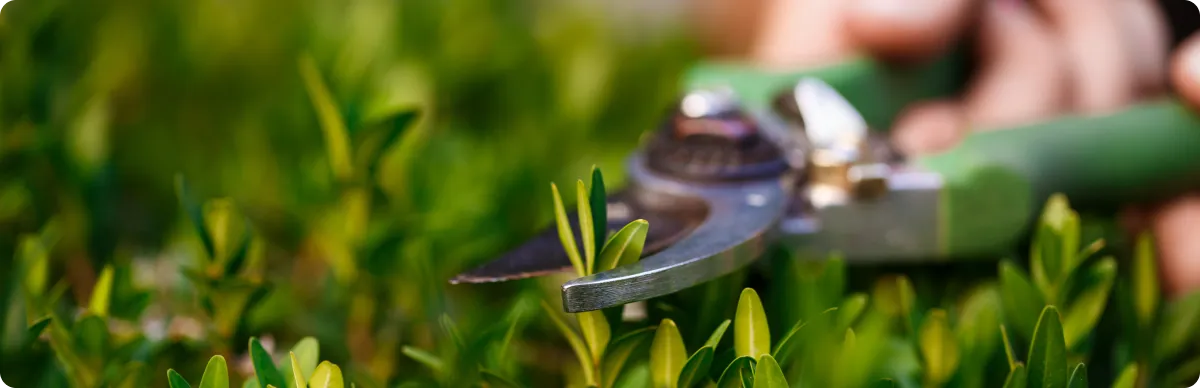
Professional Hedge Shaping
Expert Local Knowledge
Reliable Year-Round Service
Eco-Friendly Landscaping Solutions
Matteson Hedging Types

Boxwood Hedges
-
Privet Hedges
-
Yew Hedges
-
Arborvitae Hedges
-
Holly Hedges
-
Laurel Hedges
-
Hornbeam Hedges
Our Hedging Process
Consultation and Planning
Site Preparation
Precision Trimming
Cleanup and Inspection
Why Choose Matteson Landscape Services
-
Matteson Homeowners Trust Us
-
Expert Lawn Maintenance
-
Reliable Scheduling
-
Competitive Pricing
-
Professional Team
-
Satisfaction Guarantee
-
Personalized Service
Contact Matteson's Department of Public Works for Hedge Trimming Debris & Brush Disposal
Proper disposal of hedge trimmings and brush is essential for maintaining Matteson's community standards and environmental health. The Village of Matteson operates a seasonal yard waste collection program, typically running from April through November. Residents must bundle branches and hedge debris in lengths not exceeding 4 feet and weighing no more than 50 pounds per bundle. Yard waste should be placed in biodegradable paper bags or designated containers for curbside pickup. For larger hedge renovation projects, the Matteson Transfer Station accepts bulk organic debris during posted operating hours; a resident permit or sticker may be required, and fees may apply for large loads. Always separate organic hedge clippings from inorganic materials such as wire, plant ties, or plastic pots, which require alternative disposal. Disposing of trimmings in streets, gutters, or storm drains is strictly prohibited to prevent stormwater pollution and comply with the Illinois yard waste landfill ban and NPDES regulations. For more information, contact:
Matteson Department of Public Works
4900 Village Commons, Matteson, IL 60443
Phone: (708) 748-1411
Official Website: Matteson Department of Public Works
Understanding Hedge Selection for Matteson's Prairie Clay & Glacial Till Soils & Climate Zone 5b
Selecting the right hedge species for Matteson requires careful consideration of local climate and soil conditions. Matteson is located in USDA Hardiness Zone 5b, with cold winters and hot, humid summers. The area’s soils are predominantly heavy prairie clay and glacial till, often with slow drainage, moderate to high alkalinity (pH 7.0–7.5), and variable organic matter. These conditions favor hardy, adaptable species. Recommended native or adapted hedges include:
- Ninebark (Physocarpus opulifolius)
- American cranberrybush viburnum (Viburnum trilobum)
- Winterberry holly (Ilex verticillata)
- Chokeberry (Aronia spp.)
- New Jersey tea (Ceanothus americanus)
For salt-exposed sites, consider juniper, cotoneaster, or serviceberry. Shade-tolerant options include American yew and native hydrangeas, while drought-resistant choices like sumac and prairie rose thrive in clay soils. Avoid invasive species such as buckthorn and bush honeysuckle; instead, select native alternatives. For detailed soil mapping and plant selection, consult the USDA Web Soil Survey and University of Illinois Extension.
Matteson Environmental Compliance Requirements for Hedge Work Near Protected Areas
Hedge installation or removal near Matteson’s streams, wetlands, or conservation areas requires strict adherence to environmental regulations. Coordination with the Illinois Department of Natural Resources is necessary for work within buffer zones or near protected habitats. Permits may be required for projects impacting sensitive areas, and native species should be prioritized for buffer plantings to support erosion control and habitat preservation. Wildlife protection is critical—avoid major pruning or removal during nesting season (April–July) to protect local bird populations. For properties adjacent to protected habitats, additional buffer requirements and coordination with conservation organizations may apply. Stormwater management practices, such as proper grading and erosion control, are essential to prevent runoff and comply with the Clean Water Act and EPA NPDES regulations.
Property Lines, Rights-of-Way & Sightline Rules for Hedges in Matteson
Matteson’s zoning ordinances regulate hedge placement to protect property rights and public safety. Setbacks from property lines typically range from 3 to 10 feet, depending on zoning district. Front yard hedge heights are often limited to 6–8 feet, with stricter limits near intersections and driveways to maintain sight distance triangles (usually 30–50 feet for safety). Hedges must not obstruct sidewalks, fire hydrants, or utility access, and must comply with ADA accessibility standards. Major landscape installations may require permits and review by the Building Department or Community Development. Non-compliant hedges may be subject to correction orders or removal, with an appeal process available through local boards. For guidance, contact:
Matteson Building Department
4900 Village Commons, Matteson, IL 60443
Phone: (708) 481-8313
Official Website: Matteson Building Department
Safe Pruning Standards, Wildlife Protection & Seasonal Timing in Matteson
Professional hedge maintenance in Matteson should follow ANSI A300 pruning standards to ensure plant health and community safety. Key practices include:
- Use sharp, sanitized tools to prevent disease
- Prune in late winter for structure, or after flowering for spring-blooming species
- Avoid topping or excessive thinning
- Wear PPE: eye and hearing protection, gloves, and sturdy footwear
- Use ladders and power tools safely, especially near power lines
- Monitor for Illinois-specific pests (bagworms, spider mites, fire blight) and use integrated pest management (IPM) strategies
- Consult the University of Illinois Extension Plant Clinic for diagnostic support
Wildlife protection is essential—delay major pruning during nesting season and assess habitat value before removal. Professional certifications, such as ISA Certified Arborist or Illinois pesticide applicator licenses, are recommended for complex work.
Managing Hedge Waste Under Illinois Organic Waste Management Requirements
Illinois law prohibits disposal of hedge clippings in household trash or landfills. Matteson residents must participate in the municipal yard waste collection program or compost healthy, non-invasive trimmings at home. Compost piles should be located 10–20 feet from property lines and water sources, and managed to prevent odors and pests. Diseased or invasive materials (e.g., buckthorn, bush honeysuckle) require containment and certified disposal to prevent spread. For large projects, coordinate with regional composting facilities. Commercial landscapers must comply with Illinois Environmental Protection Agency regulations and maintain proper documentation for organic waste handling.
Stormwater Protection During Hedge Work in Compliance with Matteson's NPDES Program
Hedge work in Matteson must incorporate best management practices to protect stormwater quality under the village’s NPDES MS4 program. Key requirements include:
- Preventing debris from entering storm drains or waterways
- Using silt fences or mulch to control erosion during installation or removal
- Scheduling work to avoid heavy rain events
- Properly storing and disposing of all waste materials
Compliance with the U.S. Environmental Protection Agency, Region 5 and Illinois EPA is mandatory. For more information, contact:
Matteson Department of Public Works
4900 Village Commons, Matteson, IL 60443
Phone: (708) 748-1411
Official Website: Matteson Department of Public Works
What Neighborhoods Do We Serve Throughout Matteson, IL?
Matteson’s neighborhoods each present unique hedging challenges and regulatory considerations:
- Old Matteson: Features mature trees, compacted clay soils, and historic district review requirements. Hedges must complement bungalow architecture and comply with strict setback and height rules.
- Lincoln Crossings: Newer developments with improved drainage but high sun exposure and wind. HOA guidelines may specify species and maintenance standards; privacy screening is often a priority.
- Butterfield Creek Corridor: Proximity to wetlands and floodplains requires buffer plantings of native species, strict erosion control, and coordination with conservation agencies.
- Governors Trail: Suburban lots with moderate deer pressure and variable shade. Utility easements and sidewalk proximity require careful hedge placement and regular maintenance.
- Matteson Business District: Commercial zoning with heavy traffic, salt exposure, and parking lot runoff. Salt-tolerant, low-maintenance hedges are recommended, and maintenance must avoid obstructing sightlines or access.
- Ridgeland Manor: Residential area with clay soils, moderate drainage, and alley access. Equipment access and neighbor coordination are important for shared property lines.
- Glenridge: Modern subdivision with prairie-style landscaping, HOA restrictions, and emphasis on seasonal interest. Drought-resistant and native species are preferred for sustainability.
For neighborhood-specific guidance, contact:
Matteson Community Development Department
4900 Village Commons, Matteson, IL 60443
Phone: (708) 481-8313
Official Website: Matteson Community Development Department
Matteson Municipal Ordinances for Hedge Trimmer Operation, Noise & Commercial Service Standards
Matteson enforces municipal ordinances to ensure safe and respectful hedge maintenance. Power equipment may be operated from 7:00 AM to 7:00 PM on weekdays and 8:00 AM to 6:00 PM on Saturdays; Sunday and holiday restrictions may apply. Noise levels must comply with local limits to minimize disturbance. Commercial hedge services must be licensed, insured, and adhere to all safety and environmental regulations. Neighbor notification is encouraged for major projects. For zoning and ordinance details, contact:
Matteson Planning and Zoning Commission
4900 Village Commons, Matteson, IL 60443
Phone: (708) 481-8313
Official Website: Matteson Planning and Zoning Commission
By following these guidelines, Matteson residents and professionals can ensure that hedge installation and maintenance contribute to a healthy, attractive, and sustainable community landscape while meeting all regulatory and environmental requirements.